 dailyupdate4u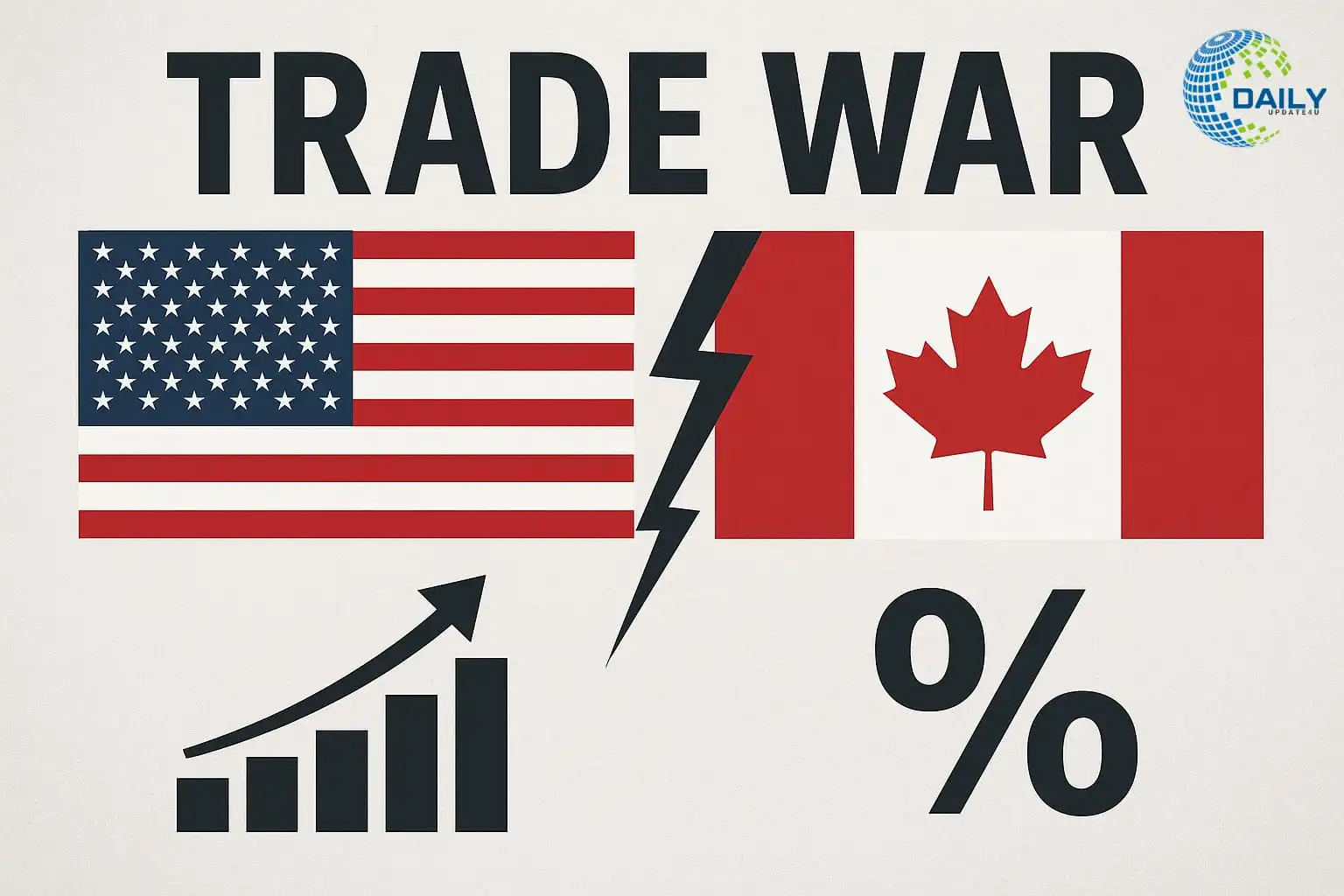
Trade relations between the United States, one of the world’s largest economies, and its neighbor, Canada, have always been a focus of global attention. The two countries are each other’s largest trading partners, but trade tensions have resurfaced in 2025.
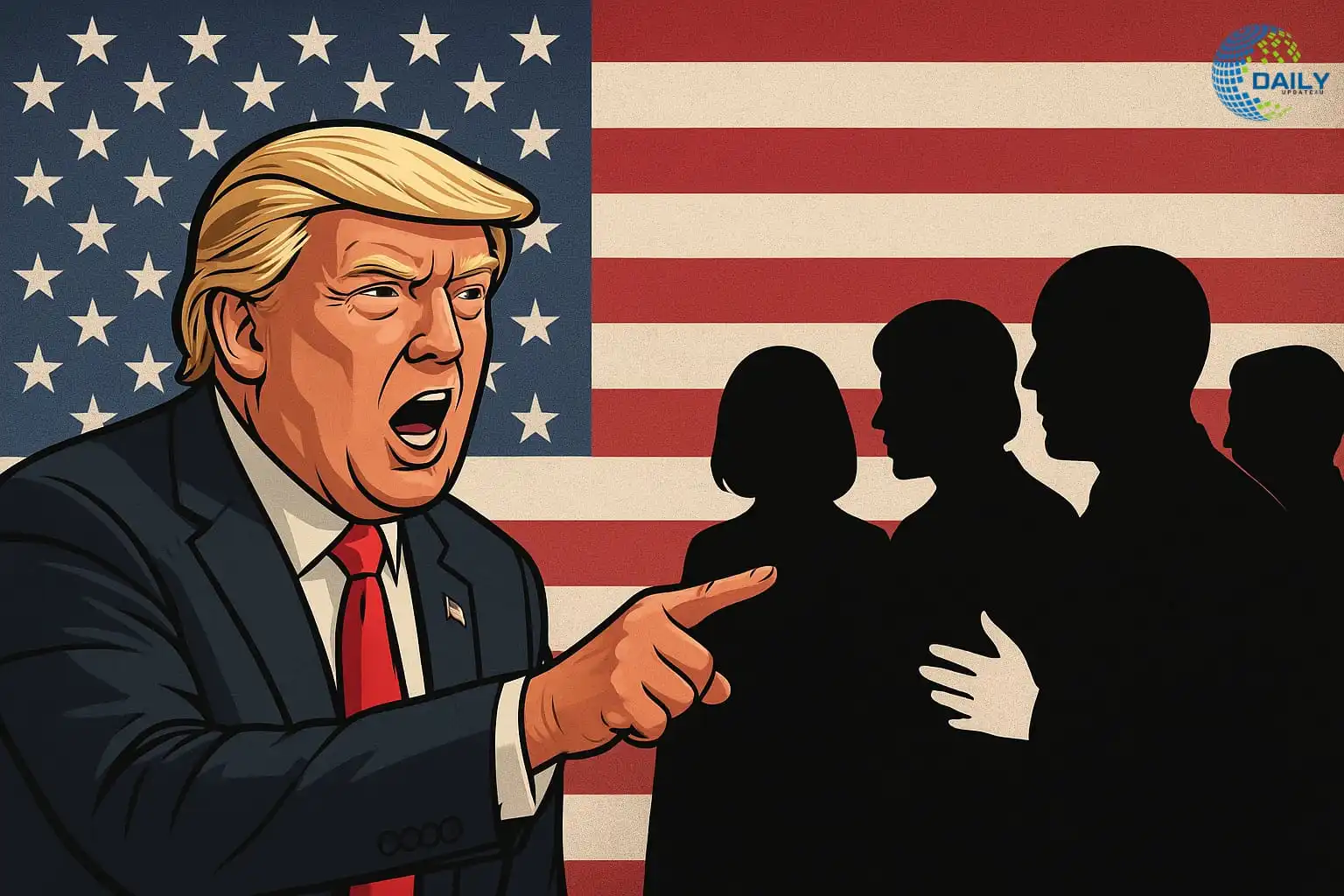
US President Donald Trump recently announced an additional 10% tariff on Canadian goods, causing a stir in global markets.
This move will not only impact the economic relationship between the two countries but could also pose a challenge to the economic stability of the entire North American region.
➡️ What is a Tariff and How Does It Affect?
A tariff is a type of tax imposed by a country on goods imported from another country. Its primary purpose is either to protect domestic industries or to exert economic pressure on foreign countries.
When the United States imposes an additional 10% tariff on goods imported from Canada, it means that those products will now become more expensive in the US market. This leads to two things:
✅ American consumers will find the same goods more expensive,
✅ Canadian companies will lose their competitiveness.
For example, if a Canadian machine previously cost $100, now the additional $10 tax will increase its price to $110.
➡️ What is the reason for the tariff increase?
According to reports, the Trump administration imposed these tariffs following a controversy over an advertisement that they described as “anti-tariff.”
A Canadian trade organization criticized US policies, prompting Trump to vow a “strong response” and immediately announce the additional tax.
But this is being considered merely an excuse. There are deeper economic and political reasons behind this:
✅ Protecting the domestic industry
The Trump administration pursues an “America First” policy, which promotes American industries by imposing taxes on foreign products.
✅ Reducing the Trade Deficit
The US trade deficit with Canada has been steadily increasing. The Trump administration wants to reduce it by imposing tariffs.
✅ Sending a Political Message:
This move is an attempt to demonstrate “strong leadership” in domestic politics, especially when facing criticism such as the government shutdown.
➡️ History of US-Canada Trade
The trade relationship between the US and Canada is very old.
The Free Trade Agreement between the two countries came into effect in 1989, and then the North American Free Trade Agreement in 1994, which included Mexico.
It was later redesigned in 2020 as the United States-Mexico-Canada Agreement.
These agreements facilitated trade between the three countries,
reduced customs duties,
encouraged investment,
and created millions of job opportunities.
But the Trump administration repeatedly stated that “NAFTA was detrimental to the United States,” so it amended it to USMCA.
➡️ Immediate Impact of Tariff Raise
✅ Pressure on Canadian Exporters
The largest export products from Canada to the United States include:
Aluminum and steel
Lumber
Milk and dairy products
Automobile parts
The 10% additional tariff will directly harm these industries. Canadian companies will be forced to reduce their prices, reducing their profits.
✅ Impact on American Consumers
Since American companies and consumers import many goods from Canada, the tariff increase is likely to result in higher prices.
Construction material prices will increase
Car parts will become more expensive
Dairy product prices will rise
✅ Market Volatility
The New York and Toronto stock markets fluctuated following this announcement. Investors are currently cautious as further tariff increases are possible.
➡️ Political Impact
This move may appear politically “popular” in the US because it supports the domestic manufacturing sector. However, in the long run, it could backfire.
The Canadian Prime Minister condemned Trump’s move, saying it “breaks trust between friendly countries.”
He has also threatened to file a complaint with the World Trade Organization.
This could impact America’s international image, as it is already embroiled in trade disputes with China and the European Union.
➡️ Global Impact
Canada and the US trade exceeds $700 billion annually. Tensions on this issue impact not only North America but the entire world.
Oil Market: Canada is the US’s largest oil supplier. Any trade tension could impact oil prices.
Auto Industry: Car manufacturers from both countries share interconnected supply chains. Tariffs will increase their costs.
Investment: Foreign investors may reduce investment in an uncertain environment.
➡️ Analysis of Trump’s “America First” Policy
“America First” has been Trump’s primary economic policy. Under this policy, he encourages domestic companies by imposing higher taxes on products imported from foreign countries.
However, many economists say this could cause long-term harm to the US economy because:
Imported goods become more expensive,
Competition decreases,
Consumers are affected by inflation.
➡️ Expert Opinion
Dr. Anna Stevens (international trade expert) says:
“This move is politically motivated. It will not provide immediate economic benefits to the US, but will instead increase domestic inflation.”
Canadian economist Joseph Moore says:
“If this tension escalates, Canada may turn to alternative markets such as Europe or Asia, harming the US.”
➡️Public Reaction
American citizens’ opinions are divided.
Some believe Trump is taking steps in the “national interest.”
Many consumer groups are saying that inflation and rising prices of everyday items will pose a problem for the general public.
Protests have also begun in Canada. Several industry associations have demanded that the government take strict action against the US.
➡️ Way Forward
In the coming months, it remains to be seen whether the two countries find a solution through negotiations or whether this dispute deepens.
Under the USMCA agreement, any member country is required to resort to the Dispute Resolution Mechanism to resolve disputes.
Canada will likely file a formal complaint with the WTO and accuse the US of “unfair trade practices.”
➡️Conclusion
The US’s move to increase tariffs on Canada is not just an economic decision, but also a political message.
This is part of the “America First” policy, but its global implications will be widespread.
If this tension is not resolved soon, it could slow the growth of the North American economy and directly burden consumers.
It would be wise for both countries to return to the path of dialogue and cooperation, as the global economy thrives on partnership, not competition.