 dailyupdate4u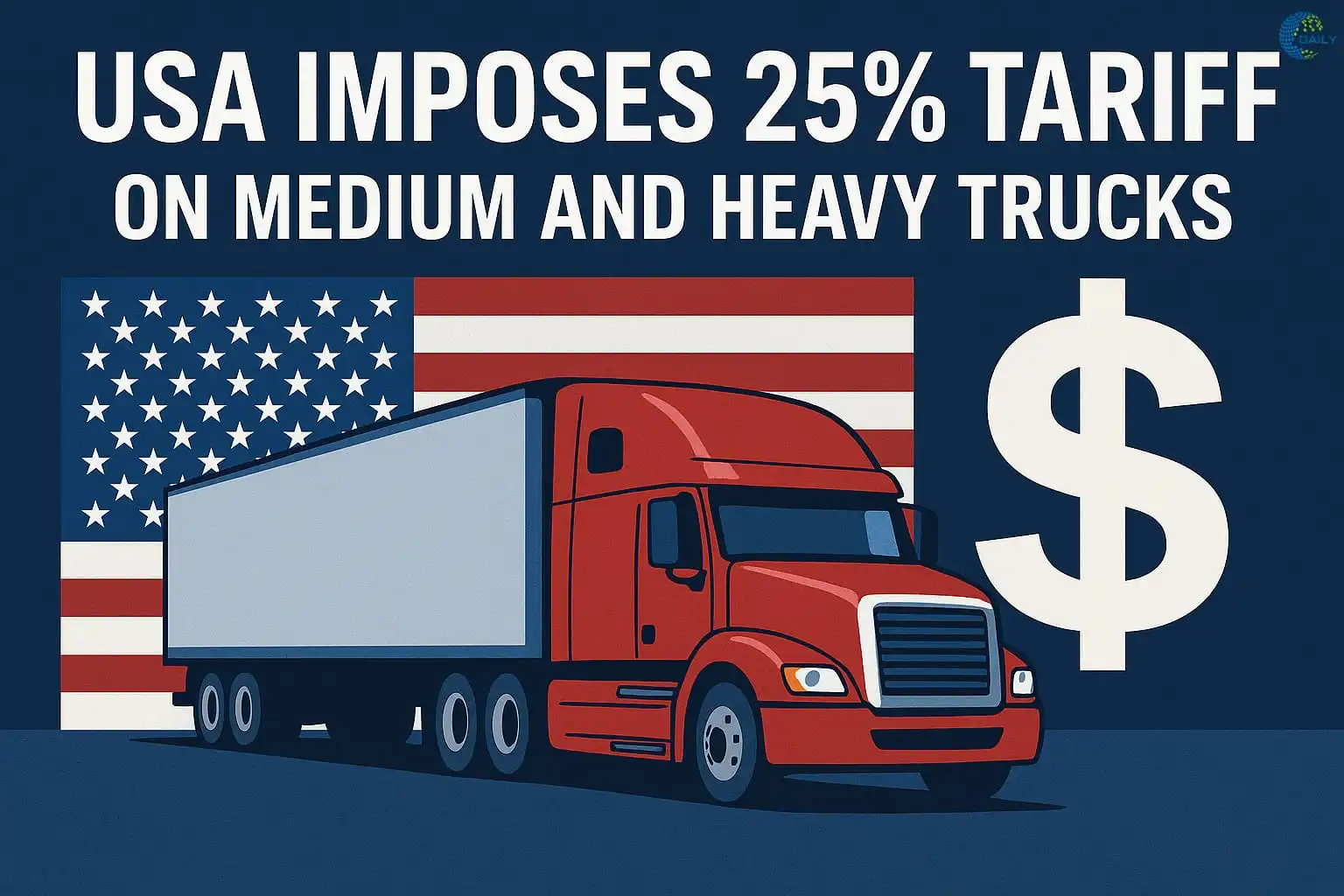
The United States is one of the world’s largest economies, with a significant industrial and transportation sector. The recent announcement by the US government to impose a 25% tariff on imported medium and heavy trucks has shaken the international trade world. This decision will not only impact US trade relations but also have a profound impact on the automobile and logistics industry worldwide.
In this blog, we will understand what this tariff is, why it was imposed, its economic, political, and social implications, and what it means for countries like India.
➡️ What is a Tariff?
A tariff is a duty or tax imposed on goods imported or exported by a country.
Its primary purpose is to protect local industries, reduce foreign competition, and increase government revenue.
When a country finds a glut of foreign products in its market, it imposes additional taxes on those products to make them more expensive so that domestic products remain competitive.
The United States has taken a similar step to protect its domestic truck manufacturers (such as Ford, Tesla, Freightliner, etc.) from foreign competition.
➡️America’s New 25% Tariff—What’s the Matter?
The US government announced in October 2025 that a 25% tariff would be imposed on imported medium and heavy trucks starting on November 1st.
This means that trucks sold in the US by any foreign company will now be subject to an additional 25% tax.
This tariff will also apply to trucks imported from countries like China, Europe, Japan, and India.
The main objective of this policy is to incentivize American companies and promote local production.
➡️ Purpose of Imposing Tariffs
The US administration has given some key reasons behind this decision:
✅ Promote local manufacturing – Under “Made in America” policies, the US government wants companies to assemble trucks in the US to increase employment and production.
✅ Reducing the trade deficit – The US trade deficit with China and other countries is steadily increasing. By imposing tariffs, the government wants to reduce imports and increase exports.
✅ National security reasons – Heavy trucks are also used in defense and infrastructure projects, so the US wants them manufactured domestically.
✅ Increased revenue – A 25% tariff would generate billions of dollars in additional revenue for the US Treasury.
➡️Impact on the US auto industry
This decision will have the greatest impact on the US automotive and truck manufacturing industry.
Major companies like Ford, Tesla Semi, Freightliner, Peterbilt, and Navistar already have a presence in the US.
It will now become more expensive for foreign companies (such as Volvo, Tata Daewoo, Isuzu, and Toyota Hino) to sell their products in the US market.
As a result, domestic sales of US companies may increase.
However, this will also have some negative impacts.
Truck prices will rise.
Logistics companies will incur increased costs.
Inflation will likely rise.
➡️Impact on the Indian Truck Industry
Companies like Tata Motors, Ashok Leyland, Mahindra, and BharatBenz manufacture medium and heavy trucks in India.
Although truck exports from India to the US are limited, this tariff will make the US market more difficult for exporters.
This may force Indian companies to consider local production or joint venture options to sell their trucks in the US.
In addition, Indian auto parts manufacturers that ship parts to the US may also be indirectly affected.
➡️Impact on Global Trade
This move by the US is not just an economic policy but part of a global trade strategy.
According to the World Trade Organization, such tariffs could create imbalances in global trade.
✅Potential Impact
China, Europe, and Japan may impose retaliatory tariffs against the US.
Pressure on the global supply chain will increase.
Truck and auto parts prices may rise in the international market.
Exports to developing countries may decline.
➡️The Role of Economic Tariffs in American Politics
Tariff policy is often used as a political weapon in the United States.
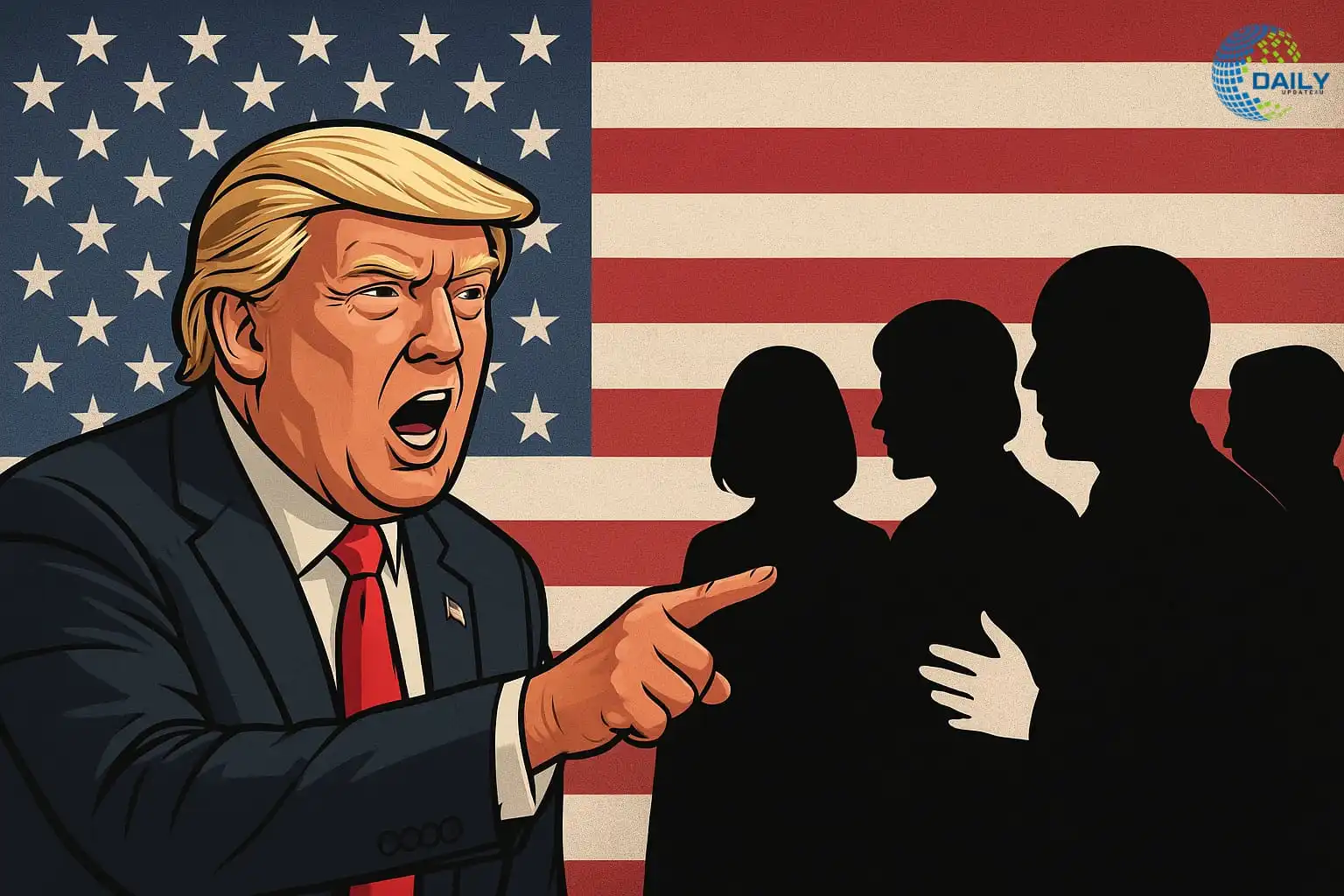
Former President Donald Trump also imposed heavy import duties on several countries under his “America First” policy.
The current administration is moving in a similar direction to convey to domestic voters that the government is “protecting American jobs.”
This issue could become a central political debate in the upcoming elections.
➡️Analysis from an Economic Perspective
Economic experts say that a 25% tariff may boost American production in the initial period, but it could be detrimental to consumers in the long term.
✅Reasons
Expensive trucks will increase transportation costs
Commodity prices will be impacted
Reduced competition will reduce innovation
Nevertheless, if American companies take advantage of this and increase local production, it could also be beneficial to the domestic economy.
➡️ Expert Opinion
Many experts consider this move an example of “protective economics.”
Some say it is a “short-term gain, long-term loss” policy.
✅Some Key Thoughts
According to the New York Times, “This move will provide relief to domestic industries but will increase the burden on consumers.”
Bloomberg Economics wrote, “If a global trade war erupts, US truck exports will also be affected.”
Indian economists believe that “this could also be an opportunity for India if companies move towards local manufacturing in the US.”
➡️ Long-Term Prospects
In the long run, this policy could increase investment in the US, as foreign companies will be encouraged to open production plants there.
This will also increase local employment.
However, it could also hurt the global trade balance and friendly relations.
Countries like India, Japan, and Europe may reconsider their trade agreements with the US.
➡️ Conclusion
The US’s imposition of a 25% tariff on medium and heavy trucks is a bold but controversial move.
This policy may provide short-term relief to US industries, but it will have far-reaching consequences for global trade.
This signals to developing countries like India that they must adapt their production strategies to be globally resilient.
In the future, the world may enter an era where every country moves further towards “self-reliance.”