 dailyupdate4u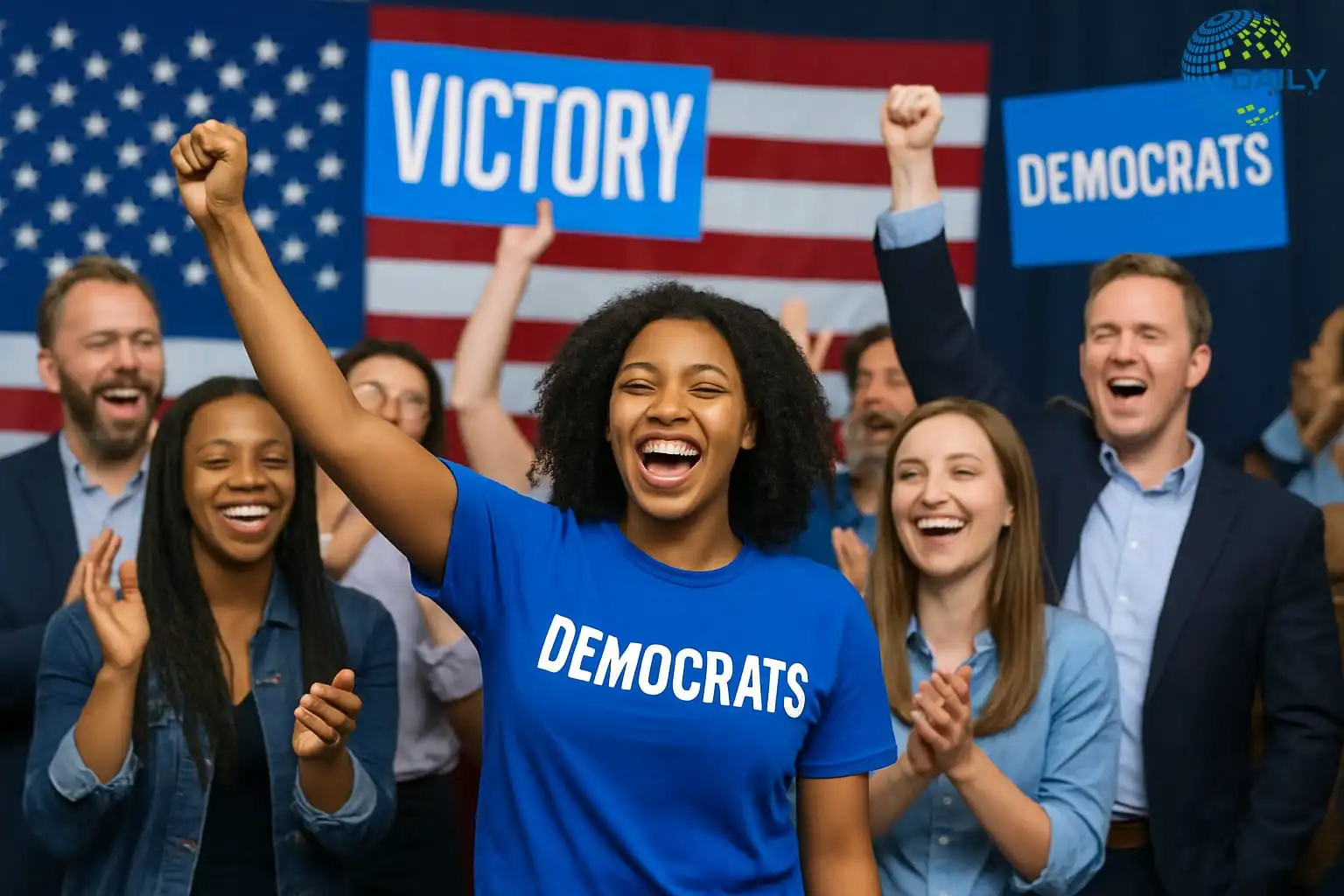
The Democratic Party has scored a historic victory in the recent US elections.
From the New York City mayoral election to state legislatures, Democrats have captured several key positions.
This victory is not merely a matter of political statistics but a significant indicator of the shift in American public opinion, especially at a time when the country is once again under the shadow of a government shutdown and economic instability.
This election has not only dealt a blow to the Republican Party but has also raised serious questions about President Donald Trump’s policies and leadership style.
➡️ Current Scenario of American Politics
American politics in 2025 is experiencing a period of unprecedented instability.
The government shutdown has left thousands of government employees without pay, many departments are paralyzed, and the general public is discontented.
Meanwhile, elections were held—and the public embraced the Democratic Party as an “alternative.”
These elections weren’t limited to local issues; they also shook the American electorate’s thinking nationally.
➡️Historic Victory in New York City
Democratic candidate Zohran Mamdani won a landslide victory in the New York City mayoral election.
He faced former Governor Andrew Cuomo, who received partial support from Republican and independent supporters.
Mamdani’s victory is not only an electoral success but also signals the emergence of a new progressive face in American politics.
His campaign focused primarily on three issues:
Affordable housing policy
Social justice and
Climate action
➡️The public’s message: “We want change”
The Democrats’ victory is being seen as a result of “policy disagreement” among the American public.
Recent policies of the Republican leadership—such as tariff increases, stricter immigration restrictions, and cuts to government services—have not resonated with the general public.
The public expressed their displeasure through voting.
According to American media reports, urban areas, educated voters, and young people overwhelmingly supported the Democrats.
This public support demonstrated that political thinking in America is once again shifting toward “social welfare” and “equality.”
➡️ Impact on Donald Trump
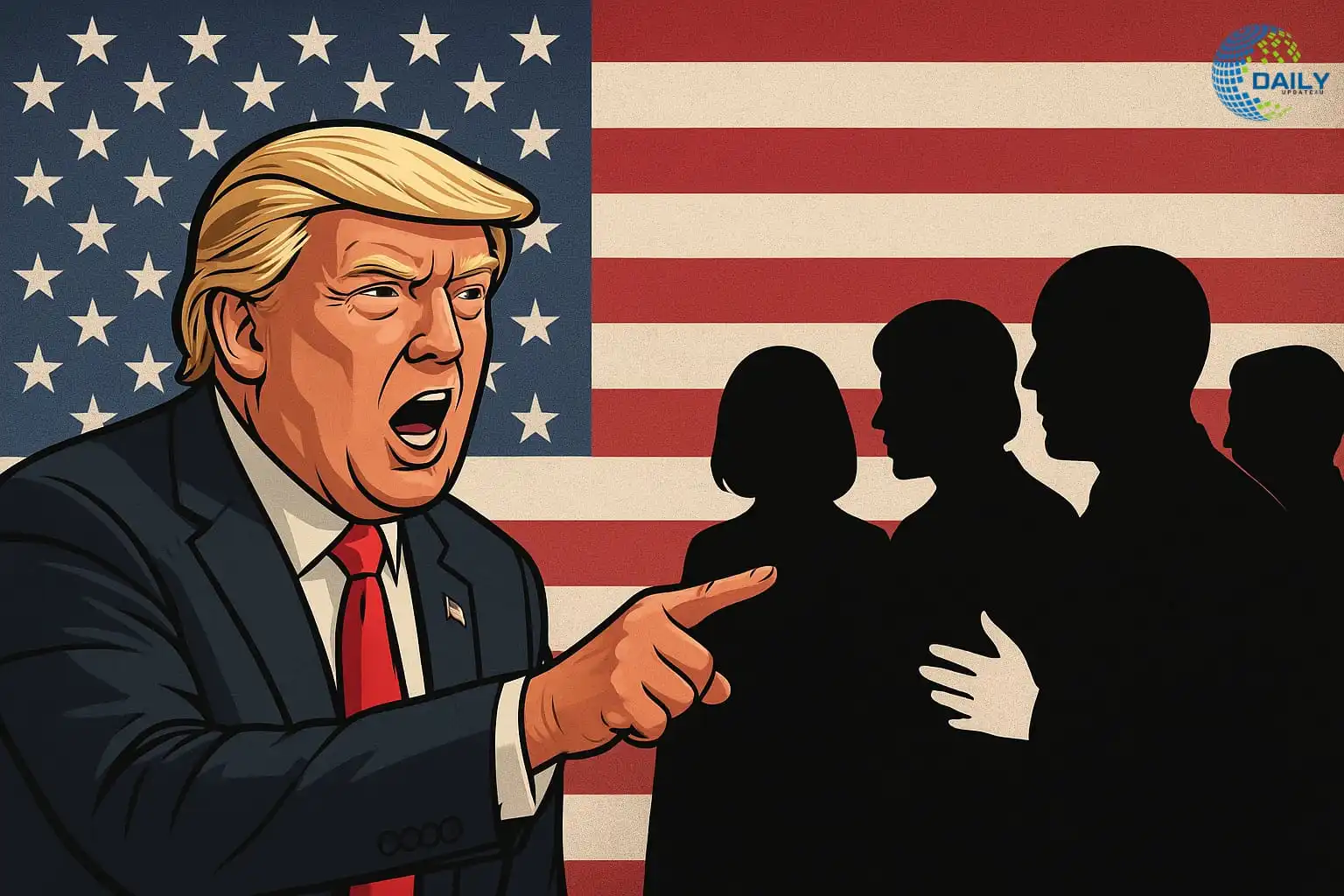
Following this defeat, President Donald Trump stated that “the Republican Party lost because I myself was not in the fray.”
He also said that the government shutdown changed the public mood.
Analysts believe this statement is part of a defensive strategy, seeking to avoid political responsibility.
But the truth is that Trump’s “charisma” in America is no longer as influential as it once was.
His aggressiveness on trade policies, immigration issues, and foreign policy has alienated the middle class.
➡️ Role of Women and Young Voters
Women and young voters played a decisive role in this election.
About 62% of young voters voted for Democratic candidates.
This percentage was even higher among women (approximately 68%).
Issues such as equal pay for women, reproductive rights, and social security were central to the election debate.
Democrats took a clear and progressive stance on these issues, while the Republican Party appeared to grapple with internal divisions.
➡️Impact of the Government Shutdown on the Election
The government shutdown, which began a few weeks before the election, has now become the longest in US history.
Millions of government employees are without pay, and many services are disrupted.
This sparked public outrage, which ultimately manifested in voting.
Democratic leaders called the shutdown “political hubris” in their speeches, while the Republican leadership described it as a “necessary step for economic recovery.”
Voters ultimately chose the party that was concerned about the impact on public life.
➡️Economic Issues: Recession Fears and Inflation
The US economy is currently grappling with the threat of a recession.
Inflation is hovering around 6% and unemployment has also risen.
Many economists criticized the Republican administration’s policies as unbalanced.
The Democrats declared in their manifesto, “We want to build the economy for ordinary citizens, not just for the wealthy.”
This message resonated greatly, especially among the middle class and working class.
➡️ International Signals: Impact on India and Other Countries
The impact of a Democratic victory will not be limited to the United States.
It will also impact US relations with India, Europe, and other Asian countries.
The Democratic leadership traditionally has a multilateral approach, prioritizing cooperation, dialogue, and transparency.
A positive atmosphere is now expected in the new phase of India-US trade negotiations.
Also, a shift in the US stance on climate change is likely.
➡️ Political Analysis: A New Equation is Forming
Political analysts believe this victory is not just a local success—it is a mood swing that could serve as an indicator for the 2026 midterm elections and the 2028 presidential election.
If this trend continues, Democrats could make a strong presidential bid next time.
➡️ The Way Forward: Challenges for Democrats
Despite their victory, the Democrats face many challenges:
Economic reconstruction
Immigration policy reform
Concrete steps to address climate change
And most importantly, bridging the growing divides in American society.
If the party succeeds on these issues, it could mark a new chapter in American politics.
➡️Conclusion
This victory for the Democrats is not just an election—it is a moment that will transform the course of American politics.
The public has sent a clear message:
“We want solutions, not conflict; we want stability, not instability.”
Understanding this mandate is not only crucial for Democrats but also a warning to the Republican leadership that the politics of power are now shifting.