 dailyupdate4u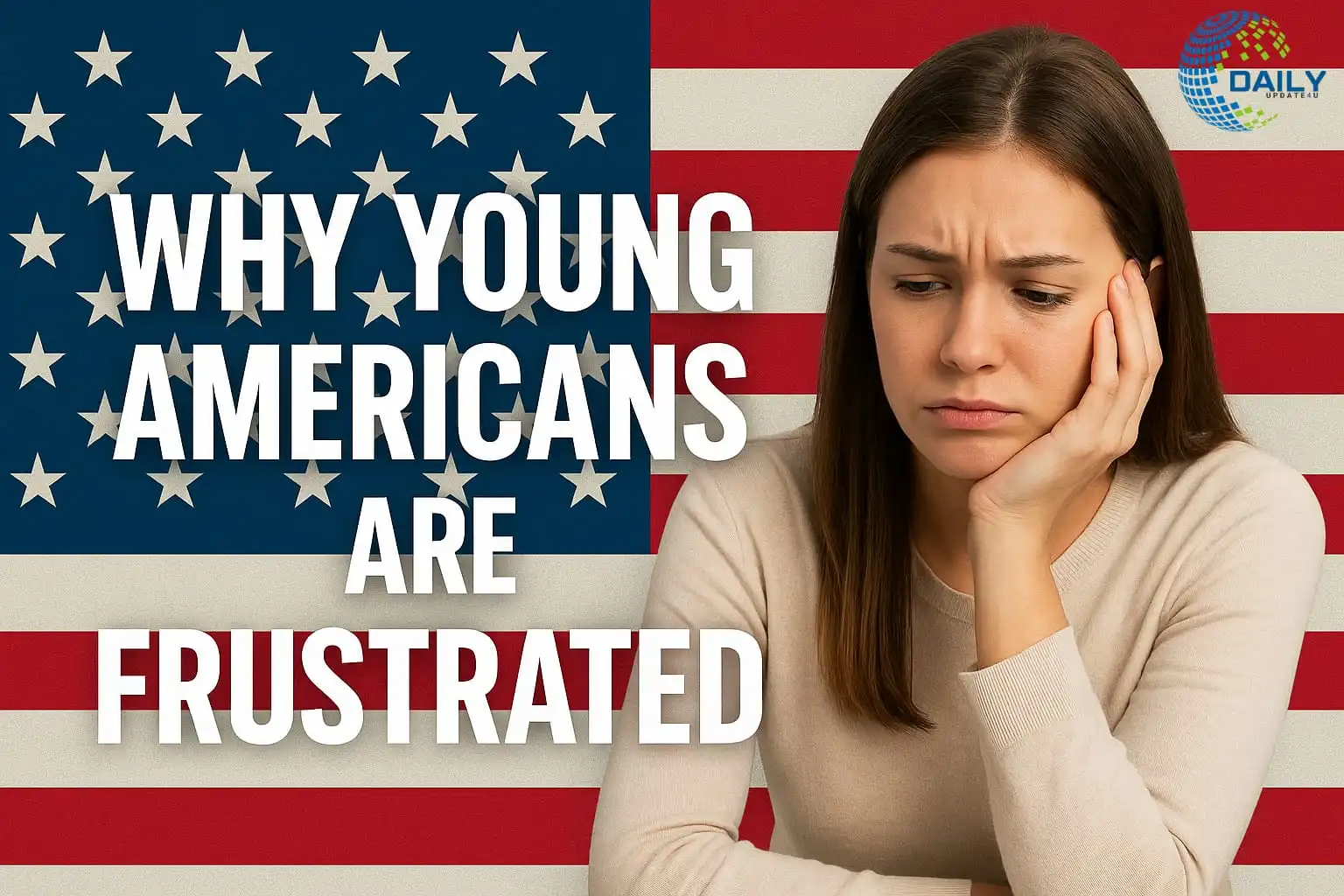
The changing mindsets, challenges, and future hopes of American youth
America is considered worldwide to be a country where dreams come true—“The land of opportunity.”
But in recent years, young Americans have been feeling more frustrated, lonely, and insecure than ever before.
Recent surveys have found that approximately 63% of American youth (aged 18-34) believe that if they had the chance, they would want to leave the country and settle elsewhere.
This figure is not due to a single reason, but rather to some social, economic, and psychological factors.
Let’s understand why young Americans are now feeling dissatisfied with their own country.
➡️Economic Pressure and Rising Inflation
✅ Impact of Inflation
Inflation has accelerated in the United States since 2020. When the economy reopened after the COVID-19 pandemic, prices suddenly began to rise.
Rent, food, gas, and healthcare prices skyrocketed.
Young people just starting are finding that their expenses outweigh their salaries.
According to a survey, nearly 70% of young people in the US feel that “saving money is almost impossible.”
✅ Education and Debt Burden
College education in the US is extremely expensive.
Many students take out student loans to pay for college, and upon graduation, they incur debts ranging from $30,000 to $80,000.
This debt takes years to repay, causing young people to experience financial stress early in life.
➡️Unemployment and Unstable Jobs
Today’s youth are increasingly turning to the “freelance economy” or “gig work,” where temporary jobs are more common than permanent jobs.
Young people working on freelance platforms do not receive a stable salary, health insurance, or retirement benefits.
Layoffs at tech companies continue unabated.
Millions of jobs are at risk due to AI and automation.
This insecurity has instilled in young people the fear that their future is in jeopardy.
➡️ Political Polarization and Social Discontent
Political divisions have been deepening in the United States for the past decade.
The tussle between the Republican and Democratic parties is now visible in every part of society, from college campuses to social media.
Young people feel that political leaders do not understand their problems.
No concrete solutions have been found to issues like racial discrimination, anti-immigrant policies, and gun violence.
“Trust in the system” has declined.
Many young people say they no longer trust American democracy and prefer to see their future elsewhere.
➡️Mental Health Crisis
✅Depression and Loneliness
Depression, anxiety, and sleep disorders are rapidly increasing among the younger generation in the United States.
The comparison culture of social media makes young people dissatisfied with themselves.
Social distancing and loneliness during the pandemic have exacerbated the situation.
The pressure to perform is immense, both in college and at work.
According to a 2024 report, 1 in 3 young people in the US struggles with some form of mental health problem.
✅Increasing Suicide Rates
Suicide has become the third leading cause of death in the 18-34 age group in the US.
Experts believe this is not just an individual problem, but a sign of a weakened social structure.
➡️Housing Crisis
Housing prices have skyrocketed in major American cities like New York, Los Angeles, Seattle, and San Francisco.
Many young people are unable to afford their own homes despite having jobs.
Rent is so expensive that most young people prefer room-sharing or living with their parents.
One survey found that 45% of young people are still living in their parents’ homes after the age of 30.
This is being seen as a symbol of the collapse of the “American Dream.”
➡️ Decline in Social Life
While social media has connected people, it has also weakened “real social connections.”
Friendships are now online, and emotions have been transformed into emojis.
People spend time on screens instead of meeting each other.
This has increased loneliness, low self-esteem, and social isolation.
“Friends are online, but hearts are offline” has become the reality for young people in America.
➡️Crime and Safety Concerns
Gun violence and school shootings are steadily increasing in the United States.
Every year, thousands of young people are either victims of shootings or lose loved ones.
This has created a sense of insecurity among young people.
Many say they no longer feel as safe in public places as they once did.
➡️Environmental Concerns
Young Americans take climate change very seriously.
But slow action by government and industry has frustrated them.
Events like global warming, wildfires, floods, and droughts are increasing.
Young people feel that their future is unstable and that older generations are ignoring their problems.
Many young people are raising their voices by joining climate activism, but the pace of solutions is very slow.
➡️ The Changing Meaning of the American Dream
Once, the “American Dream” meant—work hard, get a job, buy a home, and be happy.
But for today’s youth, this dream now seems far from reality.
Job security is low,
Housing is expensive,
Peace of mind is missing,
And divisions are growing in society.
That’s why many young people say, “If this is the dream, then we need another one.”
➡️ Trends Toward Other Countries
Canada, Germany, Australia, and some European countries are becoming a magnet for American youth today.
They say, “Life there is quieter, healthcare is cheaper, and education is better.”
Many young Americans are seeking study or job opportunities abroad because they feel that America no longer offers a stable future.
➡️The Changing Nature of Family and Relationships
Marriage rates in the United States are declining, and commitment to relationships among young people is decreasing.
Career uncertainty and financial burdens have driven people away from relationships.
Loneliness and the desire for “independence” have weakened the sense of family.
This has also weakened social support systems, further exacerbating mental stress.
➡️ Pressure of Media and Expectations
In American society, “success” is measured by very high standards, such as a big car, a big house, and a lavish lifestyle.
But not everyone can achieve this.
When young people fail to meet these standards, they feel a sense of failure.
This comparison stress gives rise to inferiority and despair.
➡️What is the solution?
The question now arises: can this despair among American youth be eliminated?
The answer is yes, if society and policymakers come together.
✅ Education and Loan Reform
College education must be made accessible and affordable.
Interest rates on student loans must be reduced.
✅ Mental Health Support
Counseling must be made mandatory in schools and colleges.
Awareness must be raised about the negative effects of social media.
✅ Affordable Housing Policy
Affordable Housing Projects are essential for youth.
Rent control laws must be strictly enforced.
✅ Sustainable Employment Opportunities
Those working in the gig economy should also receive health insurance and retirement security.
✅ Political Stability
Leaders must understand the real problems faced by young people, not just include them in election speeches.
➡️A Ray of Hope
Despite all the disappointments, America’s new generation still holds the power to reform and change.
They are raising their voices for justice, equality, and environmental protection.
Young people are finding new solutions through technology and innovation.
If the government and society support them, this disappointment can turn into new hope.
➡️Conclusion
“Despair among young Americans” is not just news, but a warning.
It depicts a society that is progressing but lacks balance.
Where there is money, but no peace of mind.
If America wants to give its young people the freedom to dream again,
It must strengthen equal opportunities at the economic, mental, and social levels.